
Best Drawing Devices in 2025: iPad Pro vs Wacom Cintiq vs Intuos Pro
An honest comparison of the drawing devices serious digital artists are actually using in 2025: what each one is best at, what it's not, and what to buy depending on how you work.
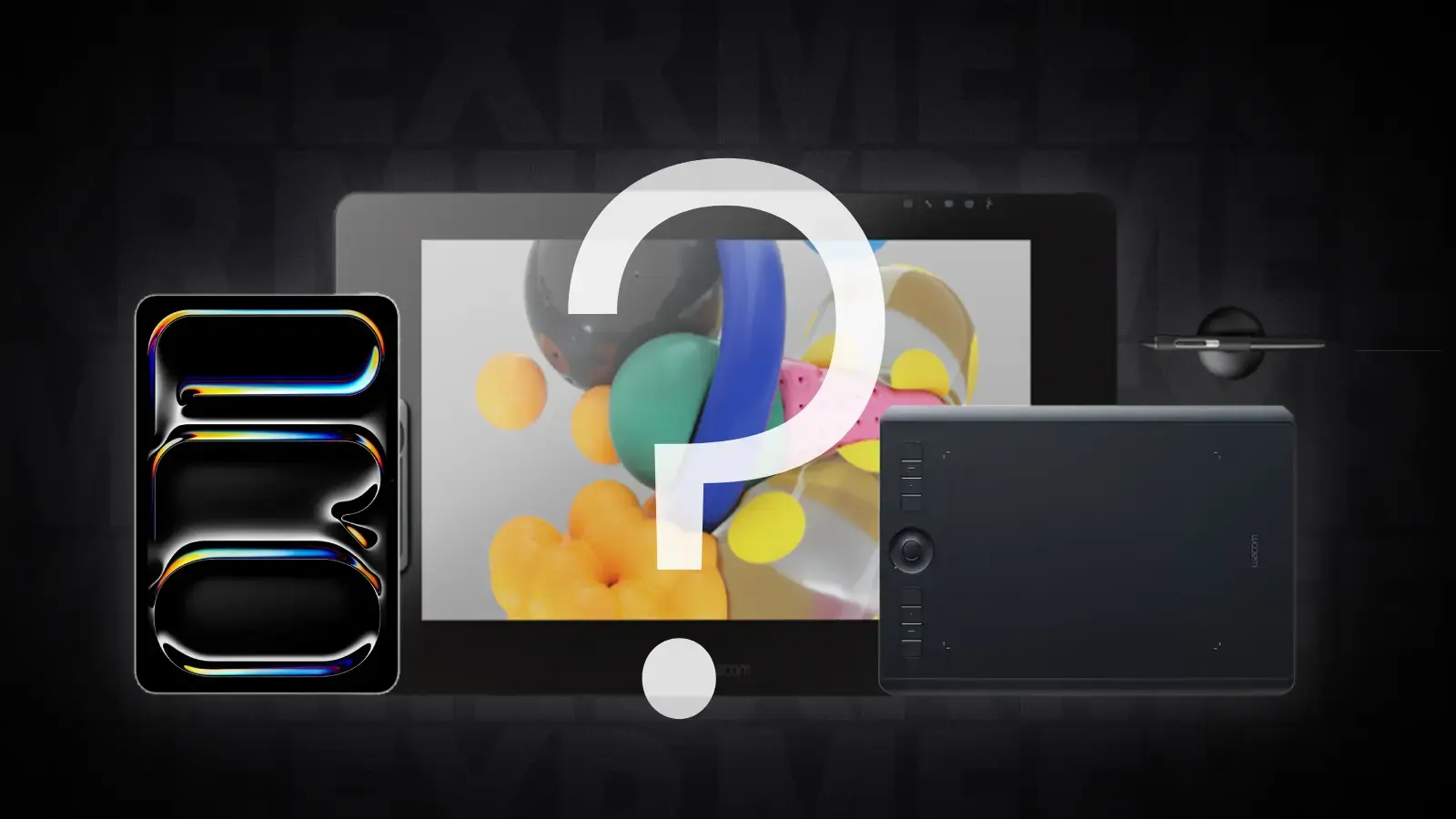
There are more good drawing devices in 2025 than at any point in the past decade. That's the good news. The bad news is that most "best of" guides treat them as equivalent options, which they aren't. iPads, Cintiqs, and Intuos tablets solve different problems for different kinds of work.
Here's how we'd actually pick between them, based on use, not marketing copy.
iPad Pro (M4): the best general-purpose drawing tablet
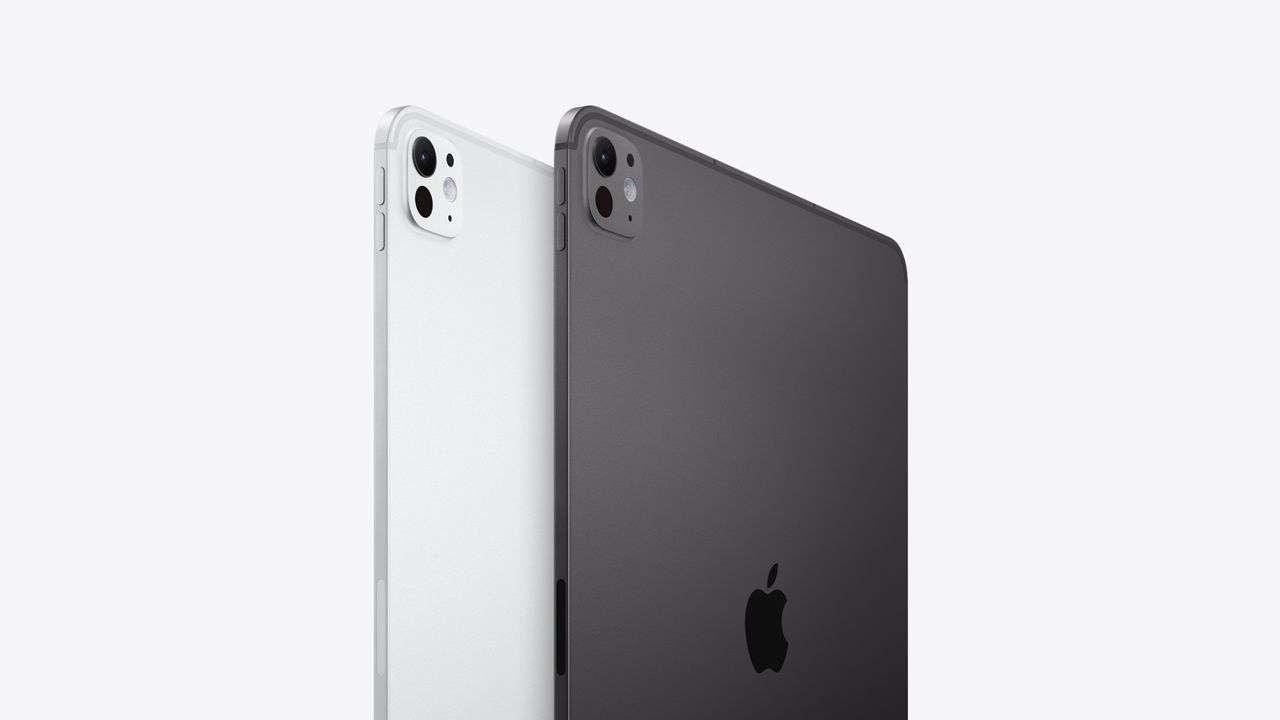
The M4 iPad Pro has effectively closed the gap with desktop drawing tablets for most workflows. The display is excellent (Liquid Retina with ProMotion, 120 Hz), the Apple Pencil Pro is the best stylus Apple has shipped, and the app ecosystem (Procreate, Clip Studio, Adobe Fresco) has matured to the point where you rarely miss a desktop equivalent.
Where it wins: portability, battery life, no-cable setup, sketching on a couch or a flight.
Where it doesn't: very large canvases (the screen is still finite), workflows that depend on desktop-only software (After Effects, Maya, Substance Painter), and color-critical print work where you need a hardware-calibrated display.
iPad Air (M3) and iPad Mini (A17 Pro): scaled-down trade-offs
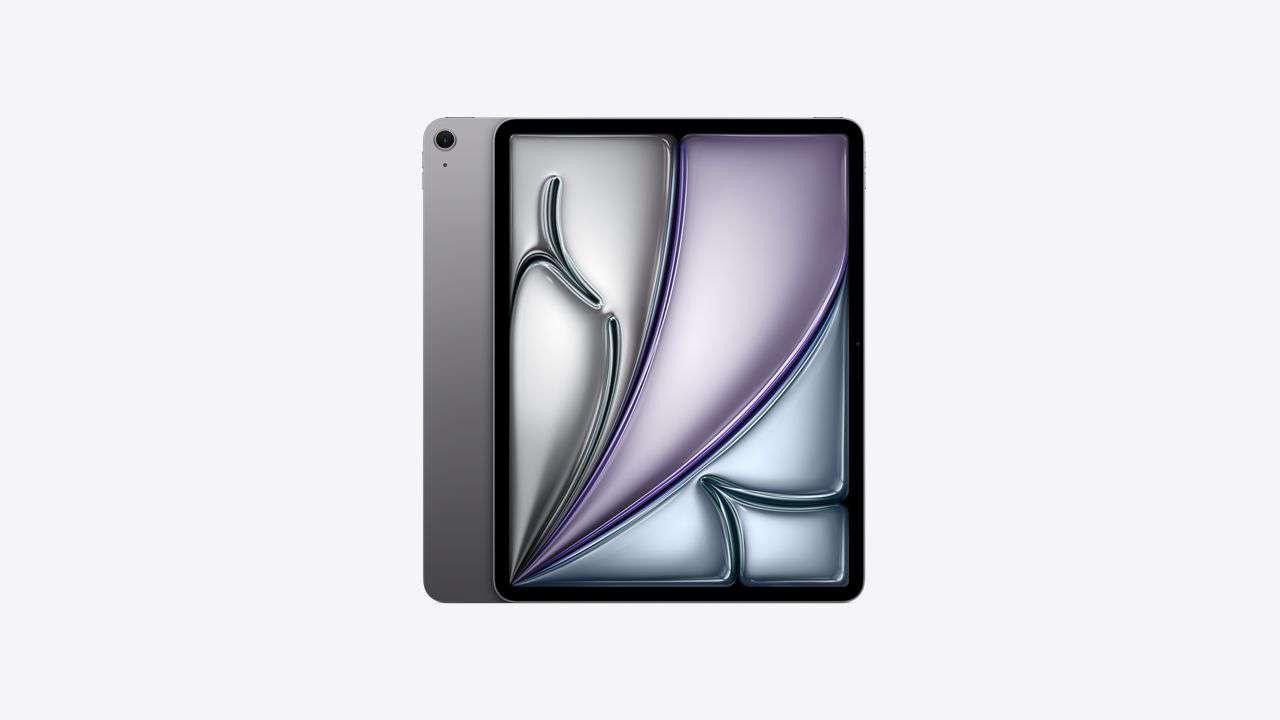
The Air (left) is the value pick if the Pro's price tag pushes you out. M3 silicon is plenty for almost everything Procreate or Fresco can throw at it. You give up ProMotion (60 Hz vs 120 Hz) and Tandem OLED. For most hobbyist and prosumer work, you won't notice.
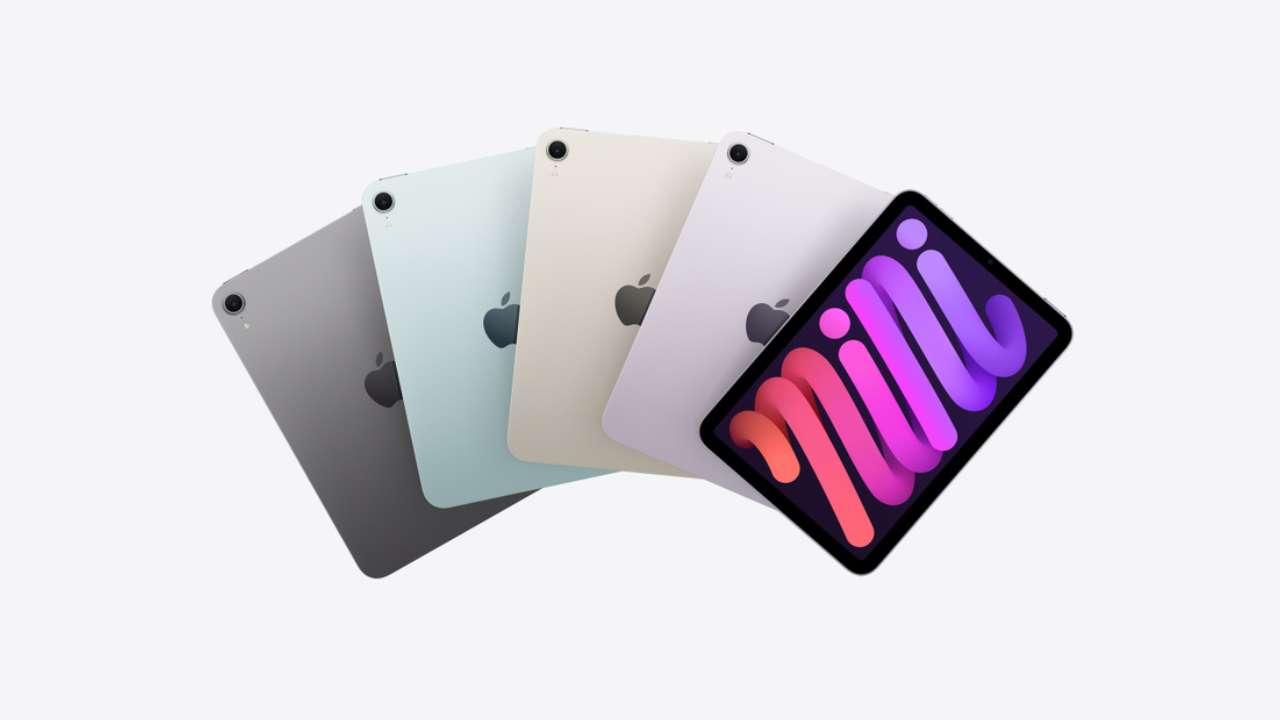
The Mini (right) is a sketch tool, not a primary illustration tablet. A17 Pro silicon is capable, but the 8-inch screen forces you to zoom for anything more detailed than a thumbnail. Useful as a secondary device for travel or quick studies; not the right primary tablet for most artists.
Wacom Cintiq Pro: the professional desktop choice
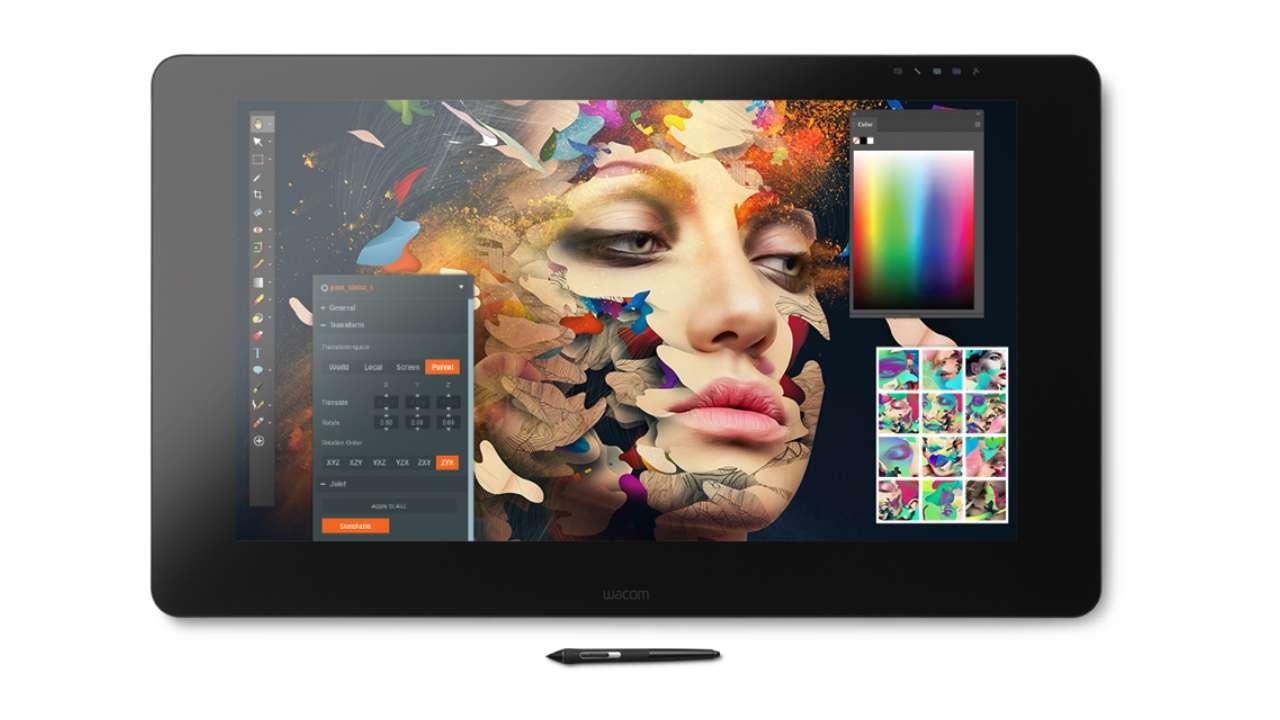
The Cintiq Pro is what serious studios reach for when iPad Pro isn't enough. Reasons:
- Large screens (24"–32" options) with actual room to work
- Hardware-calibrated color for print and broadcast work
- Tethers to a real desktop workstation, so you're in Photoshop / ZBrush / Substance / Maya directly
- Pen tilt, pressure, and tracking are still the studio benchmark
The downside is what it isn't: it's not portable, it requires a powerful machine to drive it, and the price of entry is real. The 32" Cintiq Pro is professional gear at professional prices.
For concept artists, 3D texturing artists, and digital painters working in a studio environment, the Cintiq is still the right answer. For everyone else, an iPad Pro is probably a better fit.
Wacom Intuos Pro: pen tablet without a screen
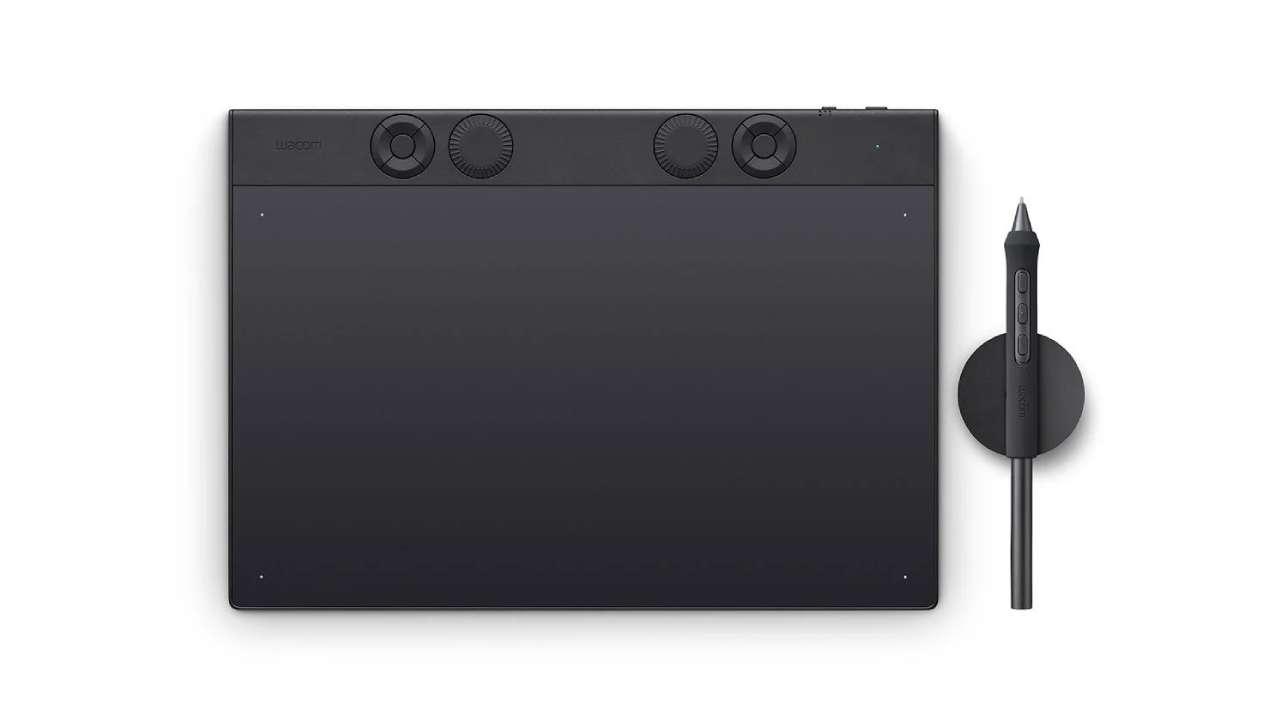
The Intuos Pro is the budget-friendly desktop option. Same Wacom pen tech as the Cintiq, same pressure sensitivity, same driver behavior, but no screen. You draw on the tablet while looking at your monitor.
That eyes-off-hands setup takes some adjustment but works fine once you're past it. Photoshop, Painter, ZBrush, Substance: all behave the same as they would on a Cintiq, for a fraction of the price.
We recommend the Intuos to artists who already have a good monitor, want Wacom's pen feel, and can't justify a Cintiq's price. It's the right call for many freelance illustrators and texture artists.
How to pick
| You are | Get |
|---|---|
| A working illustrator or concept artist, portability matters | iPad Pro 13" (M4) |
| Same as above, tighter budget | iPad Air 13" (M3) |
| A studio concept or 3D texture artist, color matters, desktop-bound | Wacom Cintiq Pro |
| A freelancer with a good monitor and Wacom preference | Wacom Intuos Pro |
| A casual sketcher or traveler | iPad Mini or iPad Air 11" |
For most artists starting out in 2025, the M4 iPad Pro is the strongest single-device pick. For studio work and color-critical output, Wacom still owns the category.
Related reading
- Hardware on the workstation side: CPU vs GPU rendering
- Software for the work you'll do once you've drawn the assets: Rendering software for product visualization
Resources
Ready to scale your
brand's visual identity?
Tell us the product, the channels and the deadline. We'll come back with a scope, a timeline and a line-item budget.